10 FACTS YOU DIDN''T KNOW ABOUT THE COOK ISLANDS

Solar panel 10 kva price in Burkina Faso
Burkinabé solar panel installers – showing companies in Burkina Faso that undertake solar panel installation, including rooftop and standalone solar systems. 9 installers based in Burkina Faso are listed below.. Burkinabé solar panel installers – showing companies in Burkina Faso that undertake solar panel installation, including rooftop and standalone solar systems. 9 installers based in Burkina Faso are listed below.. AIMS Power inverters are available up to 8000 watts throughout Burkina Faso in 12, 24 & 48 volt models for off-grid, mobile & emergency backup power applications. FREE SHIPPING (some products excluded). En vue de promouvoir l’énergie solaire au Burkina Faso, le projet Back-up solaire met à la disposition des utilisateurs, sept (7) sortes de kits: le Solar Home System (1 et 2), le Kit LAFI, BILA, TAMBI, TANGA et BAONGO. Les prix des kits ont été fixés en fonction de leur puissance et des caractéristiques techniques. A delà du fait que . . Company profile for solar panel manufacturer Faso Energy - showing the company's contact details and products manufactured.. Distribution de matériel solaire au Burkina Faso pour l'électrification rurale et le pompage autonome. Panneaux solaires, pompes. APB Energy conçoit et fournit le kit solaire adapté. [pdf]
Togo best 10 solar panels
List of Togolese solar panel installers - showing companies in Togo that undertake solar panel installation, including rooftop and standalone solar systems.. List of Togolese solar panel installers - showing companies in Togo that undertake solar panel installation, including rooftop and standalone solar systems.. Since 2020, Togo has increased its electrification rate from 52% to 69%, providing thousands of rural households electricity through solar kits and the Blitta solar power plant. Challenges Remain . While Togo's electrification rate nears 70%, about half of West Africa's population still lacks electricity access, with some rural areas having . . From the 2018 roundtable, to draw the national electrification strategy, to the launch of the Blitta photovoltaic power plant, Togo strives, every year, to achieve universal access to electricity. In this article, we quickly review some energy projects and infrastructures recently developed in Togo. Search results of Top 13 Solar energy Companies in Togo. Listings are verified with accurate business information.. Togo POWER Portable Solar Panel for Power Station - Efficient, Waterproof Solar Cell Charger with Reflective Mat - Foldable & Adjustable 100W Bifacial Solar Panel Bracket for Home & Outdoor Adventure Share: [pdf]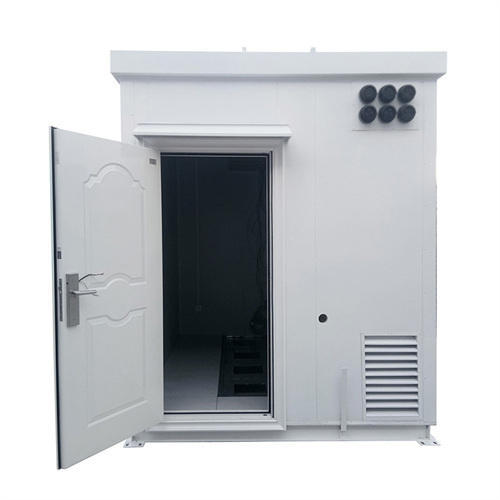
Ipart energy Cook Islands
The is a net importer of energy, in the form of products. Total energy consumption was 1,677,278,000 BTU (1.77 TJ) in 2017, of which 811,000,000 (0.86 TJ) was in the form of oil. In 2012 47% of imported oil was used in the transport sector, 30% in aviation, and 27% for electricity generation. Electricity consumption is 31.6 GWh, from 14 MW of installed generation capacity, with most load concentrated on the main island of . Per-capita el. [pdf]FAQS about Ipart energy Cook Islands
Who imports the fuel in Cook Islands?
85% of the country's fuel and all of its jet fuel is imported by Pacific Energy. The Energy Act 1998 established an Energy Division within the Ministry of Works, Energy and Physical Planning (now Infrastructure Cook Islands) responsible for energy policy and electricity inspections.
How much energy does the Cook Islands use?
The Cook Islands is a net importer of energy, in the form of petroleum products. Total energy consumption was 1,677,278,000 BTU (1.77 TJ) in 2017, of which 811,000,000 (0.86 TJ) was in the form of oil. In 2012 47% of imported oil was used in the transport sector, 30% in aviation, and 27% for electricity generation.
What sectors rely on imported energy in the Cook Islands?
There are three main sectors dependent on imported energy in the Cook Islands; these include transport, electricity and aviation. Of the total number of imported fuels into the country, 43% is used by transport; 30% by aviation and 27% by electricity.
What changes will the Cook Islands make?
The changes will include management of power utilities, environmentally friendly and cost effective renewable electricity sources, and energy efficient strategies. The Cook Islands will be careful in its selection of renewable electricity options and will not entertain unproven or non-commercial technologies.
Why is pricing important in the Cook Islands?
Pricing is a key tool for influencing consumer behaviour. An appropriate price needs to be set that encourages energy efficient behaviour and reduces the costs to the Government, whilst also achieving its vision of reducing the costs of living and business for residents and attracting Cook Islands people to live and invest in their homeland.
How many tourists visit the Cook Islands a year?
Approximately 100,000 tourists visit the Cook Islands each year, spending their time mostly on Rarotonga and Aitutaki. Real gross domestic product (GDP) per capita is approximately US$10,000, and the Cook Islands has enjoyed an average growth of 3.5 percent per annum since the mid-1990s.