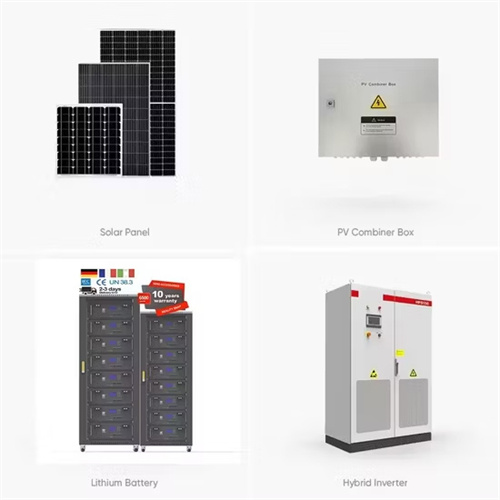
A solar inverter is really a converter, though the rules of physics say otherwise. A solar power inverter converts or inverts the direct current (DC) energy produced by a solar panel into Alternate Current (AC.) Most homes use AC rather than DC energy. DC energy is not safe to use in homes. If you run Direct Current (DC). .
The solar process begins with sunshine, which causes a reaction within the solar panel. That reaction produces a DC. However, the newly created DC is not safe to use in the home until it. .
When it comes to choosing a solar inverter, there is no honest blanket answer. Which one is best for your home or business? That depends on a few factors: 1. How complex is. .
Choosing a solar power inverter is a big decision. Much of the information about selecting an inverter has to do with the challenges that a solar array on your roof would have. For example, is there shade, or is there not sufficient. .
Oversizing means that the inverter can handle more energy transference and conversion than the solar array can produce. The inverter capabilities are more significant than the.
[pdf] Nuwakot Solar Power Station is located at of . It is the largest of Nepal. The plant is owned by (NEA). The solar panels are installed in six locations within the premises of which is also owned by the NEA. Energy generated by the project is connected to the 66 kV sub-station of Devighat Hydropower Station. The solar station generates energy only during the daytime.
[pdf] The contract price is NAD1.4 billion (approx. US$78.33 million)..
The contract price is NAD1.4 billion (approx. US$78.33 million)..
The total estimated project cost is 1.6 billion Namibian dollars..
With a projected total cost of approximately Namibian $1.6 billion (US$89 million), the plant is expected to be completed in about 18 months and begin commercial operations by the second quarter of.
[pdf]