CHINESE COMPANY TO EXPLORE LITHIUM RESOURCES IN PAKISTAN
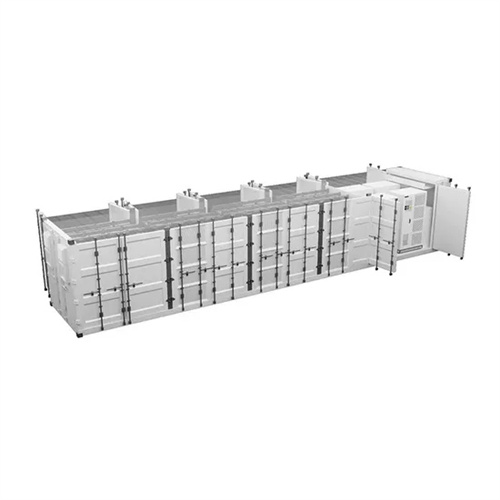
Bouvet Island lithium container
Bouvet Island is an uninhabited island and dependency of . It is a protected nature reserve. It is a volcanic island, situated in the South at the southern end of the , and is the world's most island. Located north of the , it is not part of the southern region covered by the . [pdf]FAQS about Bouvet Island lithium container
Where is Bouvet Island?
Bouvet Island (/ ˈbuːveɪ / BOO-vay; Norwegian: Bouvetøya [bʉˈvèːœʏɑ]) is an uninhabited island and dependency of Norway. It is a protected nature reserve. It is a subantarctic volcanic island, situated in the South Atlantic Ocean at the southern end of the Mid-Atlantic Ridge, and is the world's most remote island.
How did Bouvet Island become a dependency?
The expedition carried out aerial photography of the island and was the first Antarctic expedition to use aircraft. : 64 The Dependency Act, passed by the Parliament of Norway on 27 February 1930, established Bouvet Island as a Norwegian dependency, along with Peter I Island and Queen Maud Land.
What country code is Bouvet Island?
Bouvet Island has been designated with the ISO 3166-2 code BV and was subsequently awarded the country code top-level domain .bv on 21 August 1997. The domain is managed by Norid but is not in use. The exclusive economic zone surrounding the island covers an area of 441,163 km 2 (170,334 sq mi).

Kosovo lithium battery system
Kosovo will be the first country in the Balkan region to invest in a 170 MW battery storage system which will stabilise energy fluctuations by addressing imbalances between supply and consumption.. Kosovo will be the first country in the Balkan region to invest in a 170 MW battery storage system which will stabilise energy fluctuations by addressing imbalances between supply and consumption.. The government of Kosovo this week announced it will build a battery energy storage system (BESS) with a capacity of 200MWh-plus to deal with the country’s energy crisis.. Kosovo intends to build the first battery energy storage system (BESS) in the region, which will have 170 MW of capacity and come online in 2028, a senior government policy advisor told Montel on T. [pdf]