Solar panelsconvert sunlight into electricity through a process called the photovoltaic effect. During this process, solar panels collect electrons from the sun’s light in the form of direct current (DC) electricity, which then pass through the inverter to convert into usable AC electricity (more on that below). Individual panels are. .
Inverters are the brains of a solar power system. They are responsible for converting DC power (from your panels) into AC power (the format that is usable by your household appliances). They also route the flow of electricity. .
Racking is the foundational structure that secures your solar panels in place. Racking systems come with mounting rails and flashings to secure the rails to your rooftop or ground mount.. .
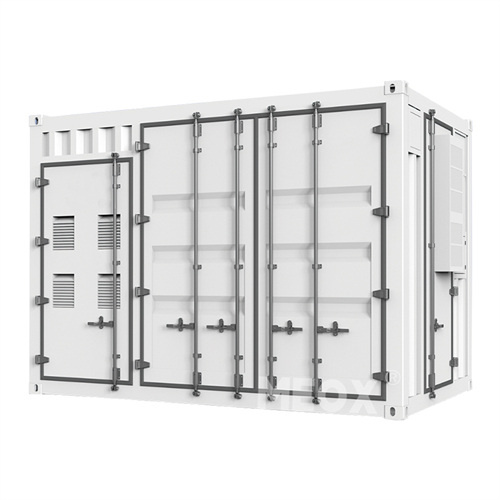
In off-gridand battery backup systems, a local battery bank is necessary to store usable energy on-site. This is helpful in the event of grid failure,.
[pdf] A photovoltaic system for residential, commercial, or industrial energy supply consists of the solar array and a number of components often summarized as the (BOS). This term is synonymous with "" q.v. BOS-components include power-conditioning equipment and structures for mounting, typically one or more DC to power converters, also known as
[pdf] 
While off-grid living is technically legal in New Jersey, it is one of the worst states regarding legalities. It is completely illegal to live a primitive style of life without running water, a water heater, or electricity inside your home. You can go off grid if you install approved utilities in your home – but you must meet the. .
One of the biggest obstacles to living off grid in New Jersey is the State Housing Code. The law specifically states that a dwelling must have electricity, a potable water supply, flushing. .
In addition to meeting all New Jersey State laws about what you can do and build on your property, you’ll also need to meet local zoning laws. Some of. .
New Jersey law requires that all homes have running water inside, at least one flush toilet, a kitchen sink, and a bathtub or shower. If you don’t want to connect to the local water service, you will likely need to have a private well drilled. .
Under NJ law, every dwelling must have electricity. However, the law does not say that the electricity must come from the public utilities. You can have off-grid solar as your only electrical source. You must meet all the State and.
[pdf]