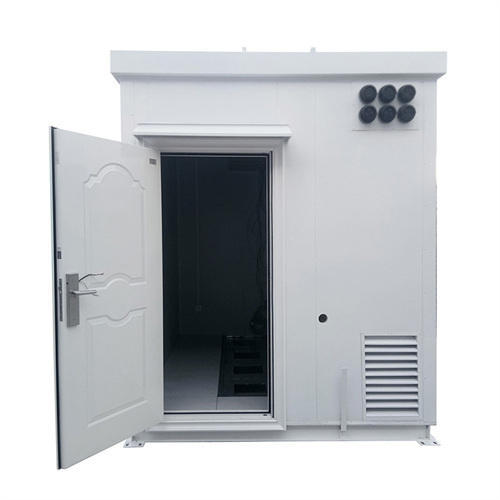
ELECTRICAL CABINET IN WESTERN AUSTRALIA CABINETS

Dominica interposing relay cabinet
Here in this case we are operating a PLC with a contactor with a single-phase AC supply. The PLC relay is DC type with an output voltage of 24 V. But we need a DC type interposing relay with a coil voltage of 24V DC but the contact AC type with 230 V. The PLC operates interposing relay in the first stage & Contactor. . The PLC relay can only avail 1A at 110 VAC, but the relay connected to the controller needs 3A at 110 VAC. Here, an interposing relay with. . The function of interposing relay is to separate 1. Two dissimilar or non-identical systems. 2. One voltage level from another. 3. Energize the starter to switch on the electric motor. [pdf]FAQS about Dominica interposing relay cabinet
What is an interposing relay?
Interposing relays can ‘change’ a control (coil) voltage circuit into a higher or lower load voltage. Interposing relays can use a small control (coil) current and translate it into a substantially higher load current that would damage the sensitive digital controls.
What is an example of an interposing relay between mismatched devices?
An industrial example of an interposing relay between mismatched devices is shown here, where an AC output proximity switch must trigger an input channel to a Programmable Logic Controller (PLC) rated for only 24 volts DC:
Do interposing relays need to be rated?
The coil of the interposing relay should require less voltage and current than the driving relay is rated for, and the contacts of the interposing relay must be rated to handle the requirements of the load ( Controller).

Outdoor electronics cabinet Israel
Innovative and practical line of outdoor enclosures for electronics of all kinds, including transportation electronics, machine controls, and network equipment. They are extremely durable, offer superb protection from the elements, are able to manage cooling in the most extreme conditions, and are highly flexible and. . Telecom shelters address various communication housing needs, from quick set up time to weather protection. Customer adapted shelter solutions serve a range of telecom applications from incoming AC to complete. . Prefabricated modular shelters save time and resources for telecom and datacenter operators when facilities need to be constructed in remote areas, or when the infrastructure needs to be built quickly. The shelters leverage on. . Our heat exchangers are designed both for outdoor and indoor applications. They comply with the NEMA and IP requirements. Our air-air. . Outdoor cooling units are available from 380 W up to 4.5 KW. They are energy-efficient for ambient temperature up to +55°c. Our cooling units are thoroughly tested against any ingress of foreign solid and liquid material that. [pdf]