GREEN HYDROGEN A SOLUTION FOR REPLACING FOSSIL FUELS TO REDUCE
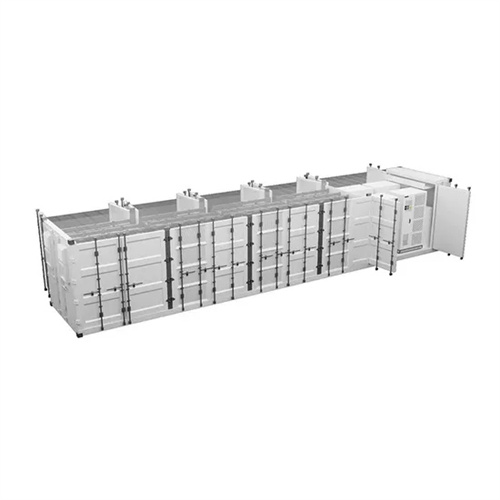
Distributed photovoltaic energy storage solution
Project Drawdown’s Distributed Energy Storage solution involves the use of decentralized energy storage systems. There are two basic sources of small-scale storage: stand-alone batteries and electric vehicles. This solution replaces the conventional practice of obtaining all electricity from a centralized grid.. . This solution is key for integrating variable renewable generation sources in the electricity grid. To avoid double counting, we account for the emissions impact of distributed energy storage in the variable renewable electricity. . Distributed energy storage is likely to become more common in the coming years and financially beneficial to consumers in the long. [pdf]FAQS about Distributed photovoltaic energy storage solution
What is distributed solar photovoltaics (PV)?
Distributed solar photovoltaics (PV) are systems that typically are sited on rooftops, but have less than 1 megawatt of capacity. This solution replaces conventional electricity-generating technologies such as coal, oil, and natural gas power plants. In a PV system, a solar cell turns energy from the sun into electricity.
What is distributed energy storage?
Distributed energy storage is an essential enabling technology for many solutions. Microgrids, net zero buildings, grid flexibility, and rooftop solar all depend on or are amplified by the use of dispersed storage systems, which facilitate uptake of renewable energy and avert the expansion of coal, oil, and gas electricity generation.
What is distributed PV & how does it work?
Distributed PV can supply affordable electricity to households and businesses, reducing their dependence on the grid. When paired with energy storage, PV systems help shield owners from outages, such as during extreme weather events. DERs enable consumers to produce and consume electricity more in accord with their own needs and preferences.
Do energy storage subsystems integrate with distributed PV?
Energy storage subsystems need to be identified that can integrate with distributed PV to enable intentional islanding or other ancillary services. Intentional islanding is used for backup power in the event of a grid power outage, and may be applied to customer-sited UPS applications or to larger microgrid applications.
Can inverter-tied storage systems integrate with distributed PV generation?
Identify inverter-tied storage systems that will integrate with distributed PV generation to allow intentional islanding (microgrids) and system optimization functions (ancillary services) to increase the economic competitiveness of distributed generation. 3.
Who benefits from distributed PV?
The primary beneficiaries of DERs are the consumers who own them. Distributed PV can supply affordable electricity to households and businesses, reducing their dependence on the grid. When paired with energy storage, PV systems help shield owners from outages, such as during extreme weather events.

Charges for replacing photovoltaic panel wiring ends
Before diving into the world of solar panel connectors, you should learn the basics about them. In this section, we explain what they are, their evolution throughout history, and more. . Learning how to use solar panel connectors is extremely important if you own a PV system. In this section, we teach you how to attach a solar connector to a wire, lock or unlock it, and install it in series, parallel, and series. . The best way to get a better understanding of options available is through a table. In this section, we compare each of the most popular solar connectors by listing their technical specs as well. Most solar. . Selecting the right solar panel connector will ensure your PV system works seamlessly for decades. You might perform maintenance every few years, but you will most likely never. [pdf]
Green solar system Mexico
Concentrated solar power prospects for southwest United States and northern Mexico Installed Capacity of total distributed clean energy in Mexico. The blue line represents current growth in capacity and the green line are projections made by Mexico's Special Program for Energy Transition. . Solar power in Mexico has the potential to produce vast amounts of energy. 70% of the country has an of greater than 4.5 kWh/m /day. Using 15% efficient , a square 25 km (16 mi) on each side in the state of . Historically, the main applications of solar energy technologies in Mexico have been for non-electric system applications for , water heating and drying crops. As in most countries, wind power development preceded solar power. . • • • • • . A law requiring 35% of electricity from renewable resources by 2024 and carbon emission reductions of 50% below 2000 levels by 2050 was introduced in 2012. Combined with declining solar installation costs, it was estimated that the 2012 climate law would lead to. . Currently, 98% of all distributed generation can be attributed to solar PV panels installed on rooftops or small businesses. This installed capacity has greatly increased from 3 kW in 2007 to 247.6 MW by the end of 2016. According to the Mexican Ministry of. . • • [pdf]FAQS about Green solar system Mexico
Is Mexico a good place for solar energy?
The Renewable Energy Foresight 2011–2025 published by the International Renewable Energy Agency (IRENA) classifies Mexico as one of the best regions in the world for solar energy applications due to its geographical location between the latitudes of 14° and 33° in North-America.
What is distributed solar energy in Mexico?
Distributed energy in Mexico is classified as any system with a capacity below 500 kW. The National Association of Solar Energy (ANES from the Spanish acronym) reported approximately 21,600 interconnection permits for distributed solar in 2015.
How much solar power does Mexico need in 2024?
To meet the 35% clean energy target in 2024, Mexico needs at least 128.83 TWh or 42.56 TWh of additional clean energy generation. National solar PV capacity potential is estimated at 24,918 GW.1 This potential capacity could generate 50,196 TWh/yr or 137 times the 365 TWh estimated demand for Mexico in 2024.
Does Mexico have solar power?
Solar power in Mexico has the potential to produce vast amounts of energy. 70% of the country has an insolation of greater than 4.5 kWh/m 2 /day. Using 15% efficient photovoltaics, a square 25 km (16 mi) on each side in the state of Chihuahua or the Sonoran Desert (0.01% of Mexico) could supply all of Mexico's electricity.
What are the applications of solar energy in Mexico?
Historically, the main applications of solar energy technologies in Mexico have been for non-electric active solar system applications for space heating, water heating and drying crops. As in most countries, wind power development preceded solar power initially, due to the lower installation cost.
What is the future of solar PV in Mexico?
Utility-scale is expected to account for the largest share in the Mexican solar PV market by deployment owing to the higher investments and larger installed capacity. In Mexico, the solar financing wave is being fueled in large part by Mexico’s renewable energy goals, which are for 35% by 2024 and 50% by 2050.