HYSOLIS 3KW SOLAR GENERATOR WITH 4.5 KWH LITHIUM SINGAPORE UBUY
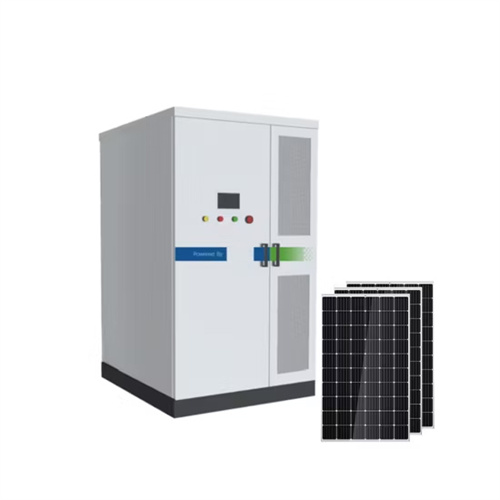
Homemade 60v solar generator
To distribute power in my homemade solar generator, I used a 6-circuit fuse panel for the positives, and for the grounds, I used a busbar. Fix both of these to the case floor using a hot glue gun. Once the glue dries, I recommend you add another layer of superglue all around the edges. Do the same for the positive inline fuse. . To wire the LED light, you need to shorten the cable just enough to reach the switch. Strip the outer insulation on the end, as well as the insulation of the (+) and (-) wires that are inside. Since the switch also has an indicator light, it. . Take the leads from the 18V socket and connect the charge controller. Now go ahead and connect the charge controller to the fuse box and negative bus bar. Since I used a solar battery maintainer that has its own solar. [pdf]
Solar generator composition
In a solar generator system, components such as solar panels, batteries, charge controllers, and inverterswork together to efficiently harness and convert solar energy. The solar panels play a crucial role in capturing sunlight and transforming it into direct current (DC) electricity. This DC power is then carefully managed by the. . Harnessing sunlight, solar panels convert light energy into direct current (DC) electricity through the photovoltaic effect. When sunlight hits the. . Utilizing an inverter, solar generators convert the DC electricity stored in batteries into AC power for household appliances. This. . Ensuring efficient energy storage and regulation is crucial for maximizing the effectiveness of solar generators. 1. Batteries:These act as the primary storage mechanism in solar. [pdf]
Switzerland solar generator power station
In 2022, Switzerland derived 6% of its electricity from solar power. Studies show that installing solar panels on mountaintops in the could produce at least 16 terawatt-hours (TWh) a year, approaching half of the nation's 2050 solar energy target. Typically, solar panels in Switzerland are mounted on existing infrastructure like mountain huts, ski lifts, and dams, with larger-scale installations in the Alps remaining rare. [pdf]FAQS about Switzerland solar generator power station
How much solar energy does Switzerland generate?
In 2022, Switzerland derived 6% of its electricity from solar power. Studies show that installing solar panels on mountaintops in the Swiss Alps could produce at least 16 terawatt-hours (TWh) a year, approaching half of the nation's 2050 solar energy target.
When will Switzerland's largest photovoltaic power plant be built?
Work has started on constructing Switzerland’s largest alpine photovoltaic power plant at an altitude of 2,500 metres above sea level. The 2.2 megawatt plant is expected to produce enough electricity from its 5,000 solar units to power 740 four-person households. Energy company Axpo expects the plant to be completed in September.
How does Switzerland generate electricity?
Switzerland already generates most of the electricity it consumes from renewable energies (75%), mainly via hydroelectric power stations. In recent years there has been an increase in photovoltaics, and to a lesser extent in wind power. Solar panels are popping up all over the country, even in the most unthinkable places.
Can solar panels be installed in Switzerland?
Typically, solar panels in Switzerland are mounted on existing infrastructure like mountain huts, ski lifts, and dams, with larger-scale installations in the Alps remaining rare. On September 10, 2023, 54% of Valais voters rejected Alpine solar project proposals due to environmental and aesthetic concerns.
How does Switzerland contribute to the future of electricity storage?
With its hydroelectric power plants in the Alps and innovative projects, Switzerland is contributing to the search for solutions for the efficient, long-term storage of electricity. A journalist from Ticino resident in Bern, I write on scientific and social issues with reports, articles, interviews and analysis.
Is Switzerland able to store energy?
The global challenge is not only to produce more energy from renewable sources, but also to be able to store it. With its hydroelectric power plants in the Alps and innovative projects, Switzerland is contributing to the search for solutions for the efficient, long-term storage of electricity.