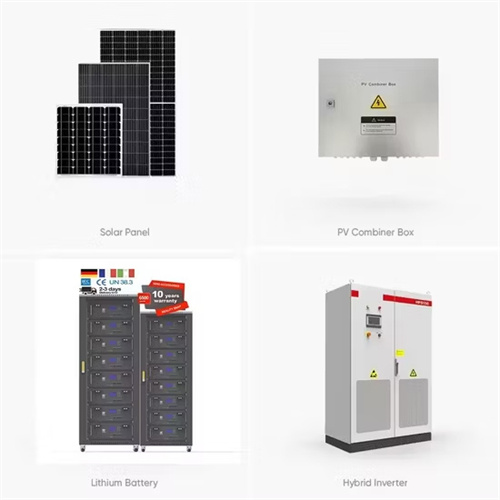
The Erongo Battery Energy Storage System, also Erongo BESS, is a planned 58 MW (78,000 hp) battery energy storage system installation in . The BESS, the first of its kind in the country and in the region, will be capable of providing 72MWh of clean energy to the Namibian grid.
[pdf] The contract price is NAD1.4 billion (approx. US$78.33 million)..
The contract price is NAD1.4 billion (approx. US$78.33 million)..
The total estimated project cost is 1.6 billion Namibian dollars..
With a projected total cost of approximately Namibian $1.6 billion (US$89 million), the plant is expected to be completed in about 18 months and begin commercial operations by the second quarter of.
[pdf] 
Wind energy falls within two major categories: utility-scale wind and distributed wind. Utility-scale wind energy is often thought of as turbines that exceed 100 kilowatts in size and those large-scale wind farms that connect to the nation’s transmission system. Distributed wind systems are smaller in scale and are often. .
Land-based wind energy is what most people think of when they hear the term wind power—three propeller-like blades around a rotor that sit atop a tall tower. This type of wind energy has grown at a record pace in recent. .
As if creating a wind farm on dry land wasn’t difficult enough, the offshore wind segment is where turbines are connected off the coastlines around the country. These are of growing importance for investors. Stronger winds,. .
Investors have a multitude of ways to invest in wind power depending on their risk tolerance, desired exposure, and risk tolerance. Investments. .
Investors who are not interested in picking individual equities and rather invest in a basket of shares picked by a fund manager may be.
[pdf]