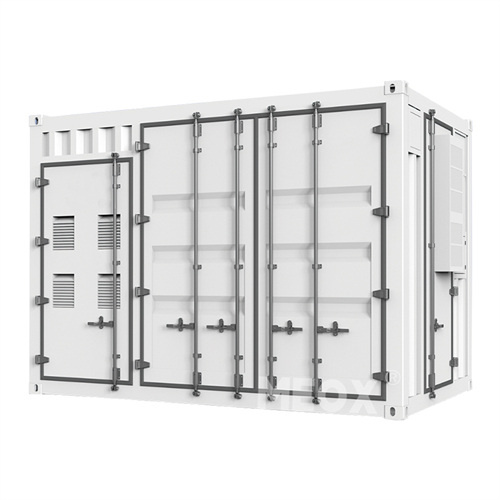
A photovoltaic system for residential, commercial, or industrial energy supply consists of the solar array and a number of components often summarized as the (BOS). This term is synonymous with "" q.v. BOS-components include power-conditioning equipment and structures for mounting, typically one or more DC to power converters, also known as
[pdf] The first factor in calculating solar panel output is the power rating. There are mainly 3 different classes of solar panels: 1. Small solar panels:. .
If the sun would be shinning at STC test conditions 24 hours per day, 300W panels would produce 300W output all the time (minus the system 25% losses). However, we all know that the sun. .
Every electric system experiences losses. Solar panels are no exception. Being able to capture 100% of generated solar panel output would be perfect. However, realistically, every solar.
[pdf] The balance of the system is constituted, in general terms: 1. Batteries: In some systems isolated from the grid, the electricity generated cannot be supplied to the electricity grid. In these cases, the energy is stored as chemical energy in batteriesor similar elements. Chemical engineering allows you to store electrical. .
The cost of the BOS will include the cost of hardware (and software, if applicable), labor, connections and inspection fees, and any other fees that. .
The charge controller is a device that regulates the flow rates of electricity from the source to the battery bank and its load. The controller keeps the battery fully charged without overcharging it. When the load consumes power, the. .
Balance of plant (BOP) is a term generally used in the context of power engineering to refer to all the supporting components and auxiliary systems of a.
[pdf]