SOLAR ENERGY AND SMART GRIDS POWERING THE FUTURE

Uzbekistan solar powered energy
Uzbekistan has great potential for solar energy due to its high levels of solar radiation and large areas of barren land that can be used for solar power plants. The country receives an average of around 300 sunny days per year, making it an ideal location for solar power generation. [pdf]FAQS about Uzbekistan solar powered energy
Is Uzbekistan a good place for solar energy?
Uzbekistan has great potential for solar energy due to its high levels of solar radiation and large areas of barren land that can be used for solar power plants. The country receives an average of around 300 sunny days per year, making it an ideal location for solar power generation. Graphs are unavailable due to technical issues.
What are the benefits of solar power in Uzbekistan?
Some of the benefits of solar power in Uzbekistan include reduced dependence on fossil fuels, lower greenhouse gas emissions, and improved energy security. The Law on the Use of Renewable Energy Sources (RES Law, 2019), introduced in May 2019, sets the fundamental framework for faster RES development.
Will Uzbekistan be able to deploy solar energy by 2030?
After discussing the possible barriers to the deployment of solar energy in Uzbekistan, the report presents a roadmap for solar energy by 2030. It provides examples of international best practices in solar energy deployment from IEA member and association countries.
How is Uzbekistan achieving its solar power target?
Uzbekistan has made a positive effort toward that end, including by setting clear targets and reforming the energy sector and has been progressing toward achieving the solar power capacity target of 4 GW by 2026 and 5 GW by 2030.
Will Uzbekistan fund a 250-megawatt solar photovoltaic plant?
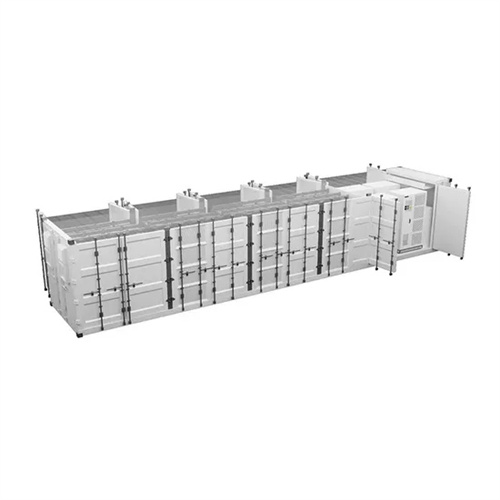
TASHKENT, May 21, 2024 — The World Bank Group, Abu Dhabi Future Energy Company PJSC (Masdar), and the Government of Uzbekistan have signed a financial package to fund a 250-megawatt (MW) solar photovoltaic plant with a 63-MW battery energy storage system (BESS).
How to make solar energy a key energy source in Uzbekistan?
The policy and regulatory frameworks enabling further solar energy deployment in Uzbekistan. Increasing power system flexibility to integrate the increasing amount of solar generation. Finally, the recommended actions are a co-ordinated package of measures to implement to make solar energy the key energy source in Uzbekistan in 2030 and beyond.
Solar energy accounts for the proportion of global electricity generation
What sources make up our electricity mix? How much comes from coal, oil, and gas, and how much from nuclear, hydropower, solar, or wind? In the interactive charts shown here, we see the breakdown of the electricity mix by source. The stacked area chart shows electricity production in absolute terms, allowing you to. . The chart below shows the percentage of global electricity production that comes from nuclear or renewable energy, such as solar, wind, hydropower, wind and tidal, and some biomass. Globally, more than a third of our electricity. . Carbon intensity of electricity measures the amount of CO2 produced per unit of electricity. It is measured as the grams of CO2 produced per kilowatt. [pdf]